
If you’re thinking about moving to Louisville, KY, you’re not alone. Louisville has quietly become a popular landing spot for people priced out of larger markets, relocating here for work, or even just looking for city perks without the big-city stress.
Louisville at a Glance
- Birthplace of Muhammad Ali and the Kentucky Derby
- Bourbon capital: More bourbon barrels aging here than people in the state
- Home of the Louisville Slugger: making iconic baseball bats since 1884
- Massive park system designed by the creator of Central Park (Frederick Law Olmsted)
- Thunder Over Louisville: One of North America's largest fireworks shows
- Consistently ranks as one of the more affordable mid-size cities in the U.S.
Location
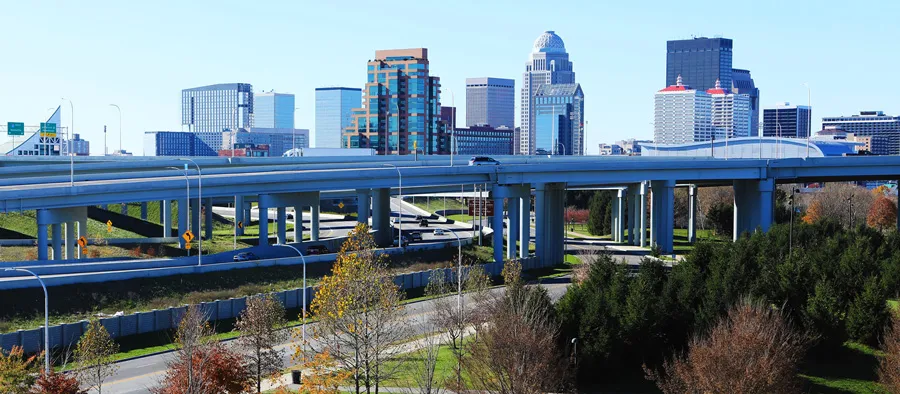
Louisville sits along the Ohio River on Kentucky’s northern border, directly across from Southern Indiana. It's quiet common for some to live, work, and or have friends and family across state lines.
Cincinnati, Indianapolis, Nashville, and St. Louis are all within a reasonable drive, which adds to Louisville’s appeal for people who like to travel often or or cover multi-city territories for work.
Popularity
What is Louisville Known For?
Louisville is best known for the Kentucky Derby, bourbon distilleries, and college basketball. But as a local, day-to-day life feels more grounded. Neighborhood restaurants, community festivals, and outdoor spaces play a much bigger role in daily life than tourism does.
Cost of Living
Cost of living is one of the biggest reasons people consider moving to Louisville, KY, and it’s an area where expectations are often met.
Overall expenses sit below the national average, with housing being the biggest advantage. Utilities, groceries, and healthcare tend to be reasonably priced, though property taxes and insurance vary by area. Compared to cities like Chicago, Atlanta, or Nashville, Louisville offers noticeably more purchasing power.
However, some locals do complain that car registration and insurance costs were higher than expected after moving here.
Real Estate
Buyers will find a mix of historic homes, post-war neighborhoods, new construction, condos, and townhomes. Prices vary widely depending on neighborhood, home age, and proximity to amenities, giving buyers and renters room to prioritize what matters most.
Popular Areas to Live in Louisville, KY
Newcomers often underestimate how different two areas just a few miles apart can feel, which is why touring multiple parts of the city matters.
Middletown | ||
Bullitt County | ||
Old Louisville | Oldham County | Shelby County |
Job Market
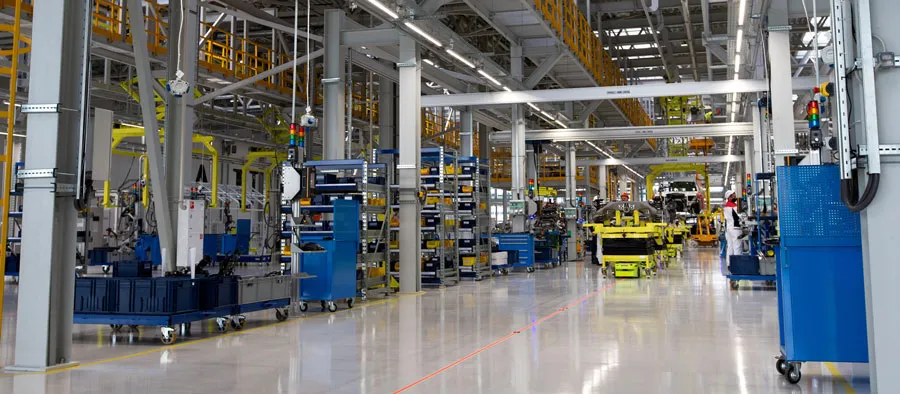
Louisville’s economy may not grab national headlines like major tech hubs, but it’s known for being stable, diversified, and resilient, which matters to people relocating for long-term security.
The city has a strong foundation in healthcare, logistics, manufacturing, and education, providing consistent employment across multiple sectors.
Major Employers
Job opportunities play a major role in whether relocation makes sense long-term. Louisville’s economy is stable, diverse, and less volatile than many single-industry cities.
The city benefits from healthcare, logistics, manufacturing, education, and corporate headquarters. Remote workers also do well here thanks to affordability and central location.
Major Employers
- UPS Worldport – One of the largest package handling facilities in the world, anchoring Louisville’s logistics sector
- Humana – A major healthcare company with corporate offices and professional roles
- Norton Healthcare – The region’s largest healthcare system and employer
- Ford Motor Company – Manufacturing operations supporting skilled labor and engineering jobs
- Jefferson County Public Schools – One of the largest school districts in the state
Louisville Weather
Louisville experiences all four seasons, which can be a plus or minus depending on what your looking for or where you are coming from. Summers can be hot and humid, while winters are generally mild with occasional snow and ice.
- Summers: Hot and humid (90s with humidity)
- Winters: Mild overall, with occasional snow and ice
- Spring: Beautiful but heavy pollen (allergy sufferers take note)
- Fall: One of the city’s strongest seasons
Spring and fall are widely loved by Louisvillians, offering comfortable temperatures and vibrant colors. The humidity and fast-changing weather often catch newcomers off guard, but seasonal allergies from the Ohio Valley may be the biggest adjustment. Many people find themselves keeping allergy medication on hand, especially during spring and fall.
Things to Do
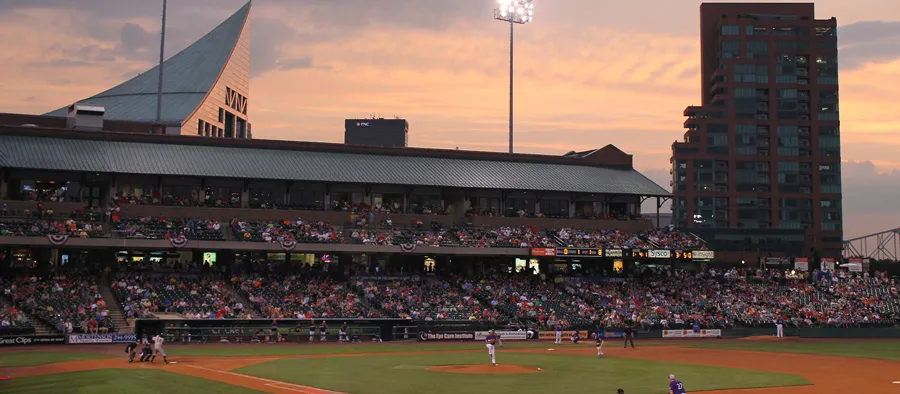
Lifestyle matters when choosing where to live, and Louisville offers more variety than its size suggests.
- Kentucky Derby Festival – Weeks of events leading up to Derby Day that locals actually attend
- Bourbon distillery tours – Urban distilleries and easy access to the Bourbon Trail
- Louisville Slugger Museum & Factory – A mix of sports history and hands-on experiences
- Local food festivals – From tacos to barbecue to chef-driven pop-ups
- Live music and theater – Local venues, touring acts, and performing arts
- Waterfront activities – Walking paths, festivals, and riverfront events
Parks & Outdoor

Louisville’s park system is a major quality-of-life asset. The city has one of the largest urban park systems in the country, designed in part by Frederick Law Olmsted.
- Cherokee Park - A go-to for walking, running, and weekend relaxation
- Waterfront Park - Event-focused green space along the Ohio River
- Iroquois Park - Known for scenic views and hiking trails
- The Parklands of Floyds Fork - A multi-park system popular with families and cyclists
- Tom Sawyer State Park - Large open spaces for sports and casual outdoor time
Traffic & Transportation
Traffic in Louisville is lighter than in other large cities but heavier than in small towns. The city ranks 8th among other areas in percentage of people with a commute longer than 30 minutes. Approximately only 24.7% of Louisvillians experience a long commute.
Many locals joke about unpredictable driving behavior. From rolling stops, limited use of turn signals, and aggressive lane changes to try and get ahead in heavy traffic.
Frequently Asked Questions About Moving to Louisville, KY
Is Louisville, KY expensive to live in?
What should I know before moving to Louisville, KY?
How does housing affordability in Louisville compare to other cities?
Is Louisville growing or declining?