
If you’re considering moving to Kentucky, you’re far from alone. Over the past several years, the Bluegrass State has quietly attracted newcomers looking for affordability, space, strong job sectors, and a slower, but not sleepy, pace of life.
That said, living in Kentucky comes with both pleasant surprises and a few adjustments. The culture is deeply local, the geography is more diverse than many expect, and daily life can feel very different depending on where you land.
Location
Kentucky’s central location is one of its biggest practical advantages. The state borders seven others, making regional travel easy, whether for work or a quick getaway.
Major interstates like I-64, I-65, and I-75 cut through the state, connecting residents to cities like Cincinnati, Nashville, Indianapolis, and St. Louis within a few hours.
Why Location Matters for Daily Life
Living in Kentucky often means access without congestion. You get proximity to major metros without the price tag or density. This appeals to people who travel for work, maintain out-of-state family ties, or want flexibility without relocating to a coastal city.
Popularity
What is Kentucky Known For?
Kentucky is best known nationally for bourbon, horse racing, and college basketball, but residents know that’s only part of the story.
Newcomers are often surprised by how modern parts of Kentucky feel, especially in Louisville, Lexington, and Northern Kentucky. At the same time, traditions matter here, and that balance shapes everything from business relationships to social life.
Cost of Living

One of the biggest drivers behind moving to Kentucky is affordability. Housing, utilities, and everyday expenses tend to run well below national averages, especially compared to other high-growth metro areas.
Many newcomers find they can afford larger homes, as well as benefit from shorter commutes. However, wages vary by area, so affordability feels different in Louisville or Lexington versus rural counties.
Real Estate
Kentucky’s real estate market remains accessible, with a wide range of housing styles, from historic city homes to newer suburban developments and rural properties with acreage.
Homeownership is more attainable here than in many states, but inventory can vary by city and season. Louisville and Lexington see more competition, while surrounding communities often offer more flexibility and space.
Popular Places to Live in Kentucky
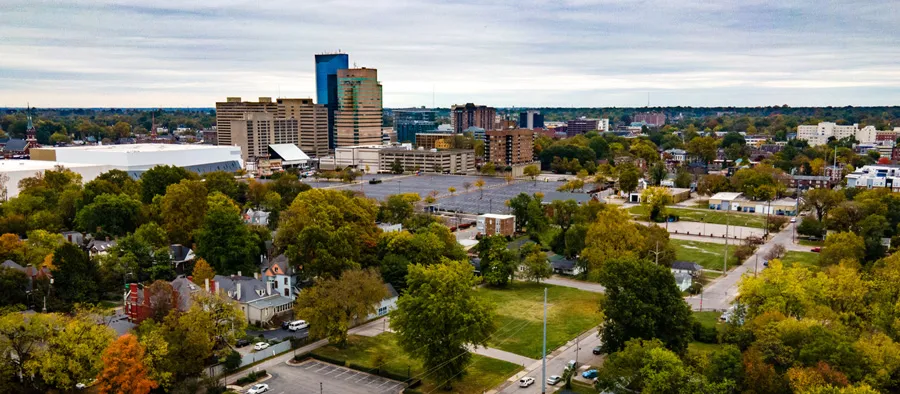
One of the biggest advantages of moving to Kentucky is the variety of places you can call home. Each region has its own personality, cost profile, and lifestyle appeal.
Louisville
Louisville attracts newcomers who want an urban feel without the price tag of larger cities. Neighborhoods range from historic districts with walkable streets to newer suburbs offering larger homes and good schools. Louisville is known for its food scene, arts and culture, healthcare jobs, and proximity to parks and riverfront trails.
Lexington
Lexington blends college-town energy with classic Kentucky charm. Surrounded by rolling horse farms, this area appeals to professionals, families, and retirees alike. The economy benefits from education, healthcare, and equine industries, while the surrounding counties offer more rural living with easy access to city amenities.
Northern Kentucky (Cincinnati Metro)
Communities like Covington and Florence are popular with commuters who work in Ohio but want Kentucky’s lower cost of living. This region offers strong employment access, established neighborhoods, and growing entertainment districts.
Bowling Green
Bowling Green has seen steady growth thanks to manufacturing, healthcare, and higher education. It appeals to families and professionals looking for a mid-sized city with modern development, a revitalized downtown, and access to outdoor recreation.
Eastern & Western Kentucky
Smaller communities throughout eastern and western Kentucky attract buyers seeking affordability, scenic landscapes, and a slower pace of life. While job markets are smaller, many newcomers here are retirees, remote workers, or people returning closer to family roots.
Job Market

Kentucky’s job market is steady rather than explosive, which may appeal to people who prioritize stability. Key sectors include manufacturing, healthcare, logistics, education, and public administration.
- Louisville is a logistics and healthcare powerhouse, home to major distribution centers and hospital systems
- Lexington centers around education, healthcare, research, and agriculture-related industries
- Northern Kentucky benefits from proximity to Cincinnati’s corporate and manufacturing base
- Bowling Green supports automotive manufacturing and engineering-related jobs
Major Employers
Companies like UPS Worldport (Louisville), Toyota Motor Manufacturing (Georgetown), Humana, Amazon, and major healthcare systems play a significant role. State government and universities also provide long-term employment stability.
Weather
Kentucky experiences all four seasons, which is a plus for many transplants. Summers are hot and humid, while winters are generally mild with occasional snow or ice.
Spring and fall are highlights, especially for outdoor activities. Weather can change quickly, and severe storms do occur, but long-term residents adapt easily with preparation rather than concern.
What to Expect
- Spring: Mild and green, but also the rainiest season
- Summer: Warm and humid, with temperatures often in the upper 80s
- Fall: Arguably the best season, cooler air and vibrant foliage
- Winter: Generally mild, with occasional snow and ice rather than constant accumulation
Things to do
Kentucky offers a mix of signature events, cultural traditions, and everyday activities that give residents something to look forward to year-round.
Kentucky Derby Festival - A weeks-long series of events in Louisville including Thunder Over Louisville, marathons, parades, and community celebrations leading up to the Derby.
Kentucky Bourbon Trail - A statewide collection of distilleries such as Maker’s Mark and Buffalo Trace that locals regularly visit for tours, tastings, and seasonal releases.
Railbird Music Festival - A major annual music festival in Lexington that draws national artists and large local crowds each summer.
WorldFest Louisville - A multicultural festival featuring international food, music, and performances that many residents attend annually.
State Fair of Kentucky - A late-summer event in Louisville with concerts, agriculture exhibits, food vendors, and family activities.
University of Kentucky & University of Louisville Game Days - College basketball and football games dominate fall and winter weekends and shape local social calendars.
Lexington Farmers Market - One of the state’s best-known farmers markets, offering local produce, prepared foods, and community gathering space throughout the year.
Popular Parks

Kentucky’s parks and outdoor spaces are heavily used by residents for daily recreation, weekend outings, and seasonal traditions.
Cherokee Park - A Frederick Law Olmsted–designed park in Louisville popular for walking loops, cycling, picnics, and casual outdoor time.
Red River Gorge Geological Area - A favorite destination for hiking, rock climbing, and scenic overlooks, especially for weekend trips.
Bernheim Forest and Arboretum - A large natural preserve near Louisville known for peaceful trails, art installations, and family-friendly outings.
Mammoth Cave National Park - Locals regularly explore the park’s above-ground trails, camping areas, and seasonal programs beyond the cave tours.
Big Four Bridge Waterfront Park - A riverfront park connecting Louisville and Southern Indiana, frequently used for walking, biking, and community events.
Natural Bridge State Resort Park - A well-known park offering hiking trails, scenic views, and lodge access that residents visit year-round.
Traffic & Transportation
Kentucky is largely car-dependent, especially outside urban cores. Traffic is generally manageable, commutes are shorter than in major metros, and parking is rarely a daily stressor.
Traffic is generally manageable, even in metro areas. Public transportation exists but is limited, making car ownership the practical choice for most people living in Kentucky.
Pros & Cons
Positives
- Affordable housing and overall cost of living
- Central location with easy regional access
- Strong sense of local identity and community
Negatives
- Limited public transportation
- Job market varies significantly by region
- Cultural adjustment for those from fast-paced metros
Final Thoughts: Is Moving to Kentucky Right for You?
Moving to Kentucky offers affordable housing, genuine community, access to nature, and growing opportunities make it appealing to a wide range of newcomers. While it may not have the flash of larger states, it makes up for it with livability, stability, and a sense of place that’s hard to manufacture.
For those willing to embrace its pace and personality, living in Kentucky often becomes more than a relocation; it becomes home.
Frequently Asked Questions About Moving to Kentucky
Is Kentucky a good state to move to?
What should I know about taxes in Kentucky?
Where do most people live when moving to Kentucky?
What should I know before relocating to Kentucky?