

If you've been browsing homes online, you've probably noticed listings labeled Active, Under Contract, Contingent, or Pending. At first glance, they can all seem to mean the same thing: someone else got there first.
But these statuses actually tell an important story about where a home is in the buying process. Knowing what each one means can help you decide whether it's still worth scheduling a showing, submitting a backup offer, or moving on to another property.
One thing to keep in mind is that listing statuses can vary slightly between Multiple Listing Services (MLS) around the country. While the terminology isn't always identical, the general stages of the transaction are very similar. Here's what you need to know.
Quick Answer
Status | Accepted Offer? | Can Buyers Still Make Offers? | What It Means |
|---|---|---|---|
Active | No | Yes | The home is available for sale. |
Under Contract | Yes | Sometimes | The seller has accepted an offer, but the sale hasn't closed. |
Active Under Contract | Yes | Often | The seller has accepted an offer but is still allowing showings or backup offers. |
Contingent | Yes | Sometimes | The contract depends on certain conditions being met before moving forward. |
Pending | Yes | Usually No | Most contingencies have been satisfied, and the transaction is moving toward closing. |
Why Real Estate Statuses Can Be Confusing
Part of the confusion comes from the fact that not every website displays listing statuses the same way.
Your local MLS may use one set of terms, while websites like Zillow, Realtor.com, or Redfin may simplify or combine certain statuses. In one market, a listing might say Active Under Contract, while another simply shows Pending.
The good news is that the overall process is the same. A home typically moves from Active to Under Contract, then eventually to Pending, before finally becoming Sold.
Think of these statuses as progress updates. They tell you how far along the transaction is and whether there's still an opportunity to buy the home.
What Does Active Mean?
An Active listing is exactly what it sounds like. The property is available for sale, and the seller is actively accepting showings and offers.
This is where every listing begins. Buyers can schedule tours, submit offers, negotiate terms, and compete with other interested buyers.
Just because a home is Active doesn't necessarily mean there aren't other buyers interested. In a competitive market, an Active listing can receive multiple offers within a day or two. If you find a home you love, it's usually best not to wait too long before taking the next step.
What Does Under Contract Mean?
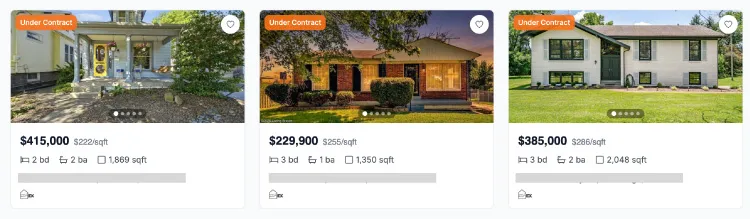
When a home is Under Contract, the seller has accepted an offer from a buyer.
At this point, both parties have signed a purchase agreement, but the transaction isn't complete. There are still several steps between an accepted offer and closing day.
These may include:
- Home inspections
- Financing approval
- Appraisal
- Title work
- Final negotiations
- Closing preparations
Many buyers assume an Under Contract home is completely off the market. That's not always true.
Depending on the seller's preferences and local MLS rules, the seller may still allow showings and even accept backup offers. If the original contract falls apart, having a backup buyer already in place can save valuable time.
What Does Active Under Contract Mean?
An Active Under Contract status means the seller has accepted an offer, but the property is still being actively marketed.
This often means:
- Showings may continue.
- Backup offers may be accepted.
- The seller wants a backup plan in case the current contract doesn't make it to closing.
Although most accepted contracts do successfully close, not every transaction crosses the finish line. Financing issues, inspection concerns, low appraisals, or buyer circumstances can all cause a contract to fall apart.
If you've fallen in love with an Active Under Contract property, don't automatically cross it off your list. Ask your real estate agent whether submitting a backup offer makes sense.
Active Option
If you're shopping in Texas, you may come across an Active Option status.
This means the seller has accepted an offer, but the buyer is still within the negotiated option period. During this time, the buyer has the right to cancel the contract for almost any reason, usually in exchange for a small option fee.
Because the contract is still relatively early in the process, sellers may continue marketing the property and accepting backup offers.
Active Kick Out
Another status you may occasionally see is Active Kick Out.
This typically means the accepted offer depends on the buyer selling their current home first. If another qualified buyer submits a stronger offer without that contingency, the seller may have the right to "kick out" the original contract unless the first buyer can remove the contingency within a specified timeframe.
It's not a status you'll see every day, but it's another reminder that not all accepted contracts are equally secure.
What Does Contingent Mean?
A Contingent status means the seller has accepted an offer, but certain conditions still need to be satisfied before the sale can move forward.
These conditions are called contingencies, and they protect both buyers and sellers during the transaction.
Some of the most common contingencies include:
- Inspection contingency: The buyer wants to verify the home's condition before committing to the purchase.
- Financing contingency: The buyer must obtain final mortgage approval.
- Appraisal contingency: The home must appraise for the agreed purchase price.
- Home sale contingency: The buyer needs to sell their current home before purchasing the new one.
If any of these contingencies can't be satisfied, the contract may be renegotiated or canceled altogether.
A Contingent home may still accept backup offers depending on the seller's preferences and local MLS rules.
What Does Pending Mean?
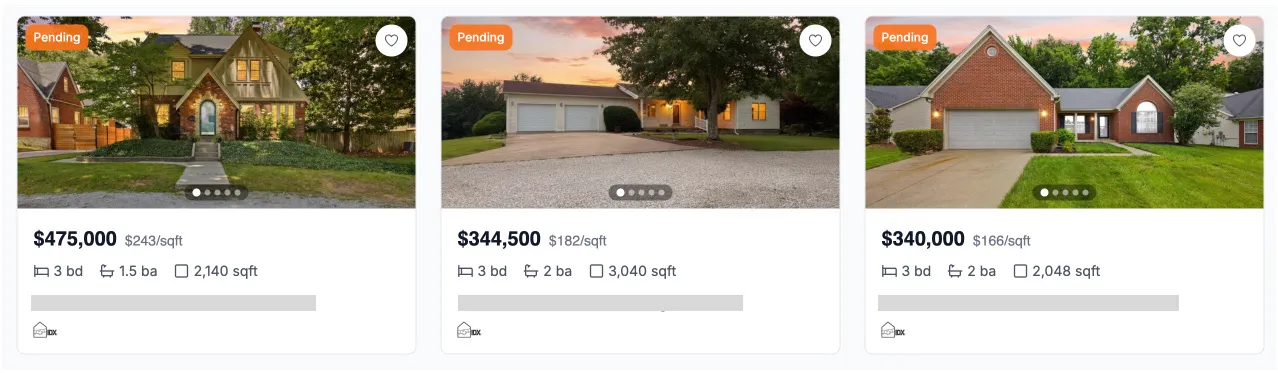
A Pending status generally means the transaction has moved beyond the contingency stage and is much closer to closing.
By this point:
- Inspections have usually been completed.
- Financing is often approved.
- The appraisal has likely been resolved.
- The title work is well underway.
- Closing is on the calendar.
Although it's still possible for a Pending sale to fall through, it's much less common than during the earlier stages of the transaction.
Most sellers stop accepting showings once a property reaches Pending status, although local practices can vary.
For buyers, Pending usually means it's time to focus on other available homes unless your agent believes there's a realistic opportunity to submit a backup offer.
Can You Make an Offer on a House That's Under Contract or Pending?
Sometimes, yes.
Whether you can submit an offer depends on the listing status, the seller's preferences, and your local MLS rules.
With Under Contract, Active Under Contract, and some Contingent listings, sellers may continue accepting backup offers. If the primary contract falls apart, your offer could automatically move into first position without the home returning to the open market.
With Pending listings, backup offers are less common but not impossible. It never hurts to ask your real estate agent if the seller is willing to consider one.
Real estate transactions don't always go exactly as planned. Deals fall apart more often than many buyers realize, which is why keeping an open mind can sometimes pay off.
Other Real Estate Statuses You Might See
Depending on where you're buying, you may encounter a few additional listing statuses.
Coming Soon means the property has been listed but isn't yet available for showings. This gives sellers time to prepare the home before it officially hits the market.
Temporarily Off Market or Hold usually means the seller has paused showings for a short period but hasn't withdrawn the listing.
Expired means the listing agreement ended without the property selling.
Canceled or Withdrawn indicates the seller or brokerage removed the property from the market before it sold.
Not every MLS uses these exact terms, but they all provide clues about where a property stands in the selling process.