

Flooding is one of those problems homeowners tend to think about right after it happens. By then, it’s too late. Water doesn’t need an invitation. If it finds a weak spot, it will take it.
The good news is that most residential flooding is preventable. Not always easy, not always cheap, but very often avoidable with the right strategy.
This guide walks you through how to think about flood risk, what actually works, and where to focus your time and money so you are not solving the same problem twice.
Why Flood Prevention Matters for Homeowners
Flood damage is expensive, disruptive, and frustrating in a very specific way. It’s not just about water. It’s about what water leaves behind.
- Structural damage to the foundation and framing
- Mold growth within 24–48 hours
- Ruined flooring, drywall, and insulation
- Electrical hazards
- Insurance gaps that surprise people at the worst time
Prevention costs less than cleanup. That’s not a sales line. It’s just math.
Understanding Your Flood Risk
Before you start installing anything, you need to understand why your home would flood in the first place.
FEMA Flood Zones Explained
Flood zones are a starting point, not the full story. Many homes outside high-risk zones still flood due to drainage issues or local conditions. You can check your property’s flood risk using FEMA’s official flood maps through the Federal Emergency Management Agency.
How to Check Your Property’s Flood Risk
- Look at your elevation relative to the street
- Check where water flows during heavy rain
- Review local flood maps
- Talk to neighbors who have lived through storms
If three houses on your block have sump pumps running during storms, that’s not a coincidence.
Common Causes of Residential Flooding
- Poor yard grading that directs water toward the house
- Clogged or undersized gutters
- Foundation cracks or porous concrete
- Overloaded municipal drainage systems
- Sewer backups during heavy rain
Flooding is usually not one big failure. It’s several small ones working together.
Exterior Flood Prevention Strategies
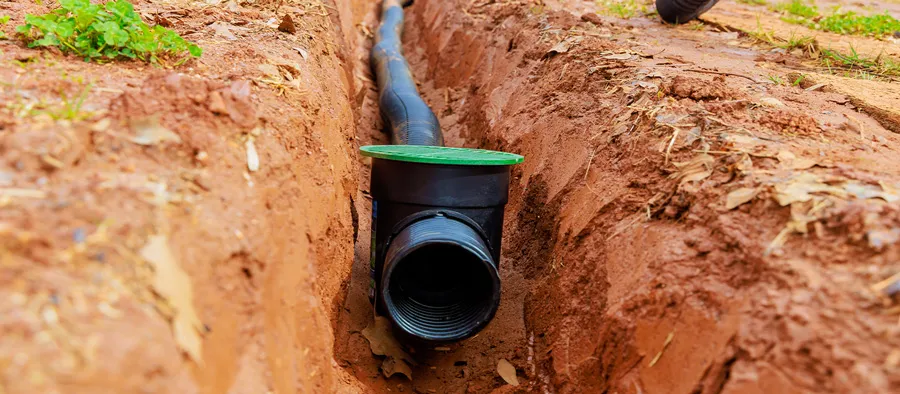
If you only do one preventive maintenance item, do this one. Keeping water away from your home is easier than dealing with it after it gets in.
Proper Yard Grading and Landscaping
Your yard should slope away from your foundation. Even a small slope makes a difference.
If water pools near your home after rain, grading is not optional. It is the foundation of everything else.
Gutters and Downspouts That Actually Work
Gutters are simple, but they fail all the time.
- Clean them regularly
- Extend downspouts at least 6–10 feet away from the house
- Make sure they are not dumping water right next to the foundation
A clogged gutter can quietly dump hundreds of gallons of water exactly where you do not want it.
French Drains and Drainage Systems
If your yard holds water, you need a way to move it.
- French drains collect and redirect groundwater
- Surface drains handle pooling water
- Channel drains help with driveways and patios
Think of drainage as traffic control for water. You are telling it where to go.
Sump Pumps: Your Backup Plan
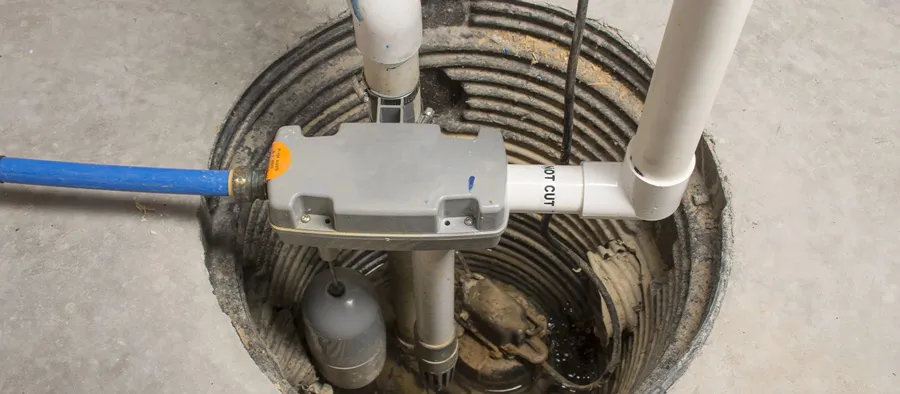
A sump pump is what stands between you and a flooded basement when everything else is overwhelmed.
- Choose a reliable pump with enough capacity
- Install a battery backup
- Test it regularly
A sump pump that fails during a storm is like a fire extinguisher that doesn’t spray.
Foundation Crack Inspection and Repair
Small cracks become big problems under pressure.
Seal visible cracks and monitor them. If they keep coming back, there may be a larger structural issue that needs professional attention.
Interior Waterproofing Solutions
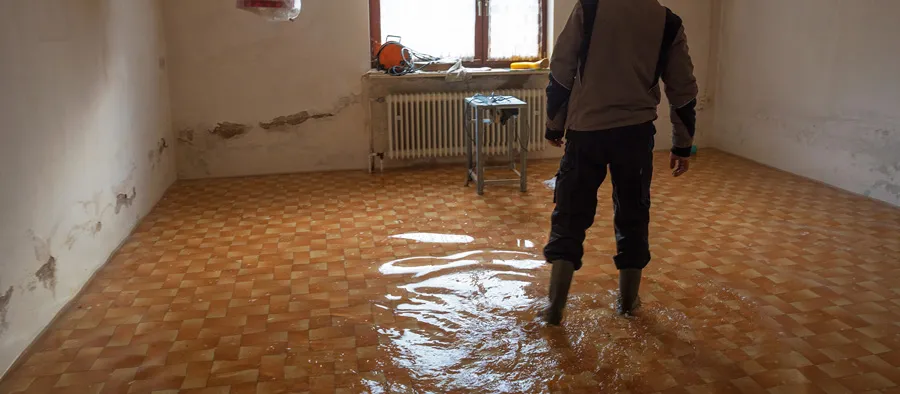
Interior solutions manage water that has already made it close to or inside your home. They are important, but they should not be your only line of defense.
Basement Waterproofing Methods
There are two main approaches:
- Interior systems that collect and redirect water
- Exterior systems that stop water before it reaches the foundation
Interior systems are more common because they are less invasive. Exterior systems are more comprehensive but more expensive.
Sealants and Waterproof Coatings
Sealants can help with minor moisture issues, but they are not a fix for active leaks.
If water is pushing through your walls, a coating alone will not stop it. It will just delay the problem.
Interior Drain Tile Systems
These systems sit beneath your basement floor and collect water, directing it to a sump pump.
They are highly effective when installed correctly and are often part of professional waterproofing systems.
Vapor Barriers and Moisture Control
Even without flooding, basements can hold moisture.
- Install vapor barriers on walls
- Use a dehumidifier
- Improve ventilation
Dry spaces are less likely to develop mold and long-term damage.
Flood-Proofing Techniques for Homes
Floodproofing goes beyond basic waterproofing. It is about preparing your home for actual flood events.
Dry Floodproofing (Keeping Water Out)
- Install flood barriers at doors and windows
- Seal walls with waterproof membranes
- Add backflow valves to prevent sewer backups
This approach works best when floodwaters are expected to stay below a certain level.
Wet Floodproofing (Managing Water Entry)
This sounds counterintuitive, but sometimes letting water in in a controlled way reduces damage.
- Install flood vents to equalize pressure
- Use water-resistant materials like tile or concrete
- Elevate anything that should not get wet
If water is going to come in, the goal is to minimize what it can damage.
Protecting Critical Home Systems
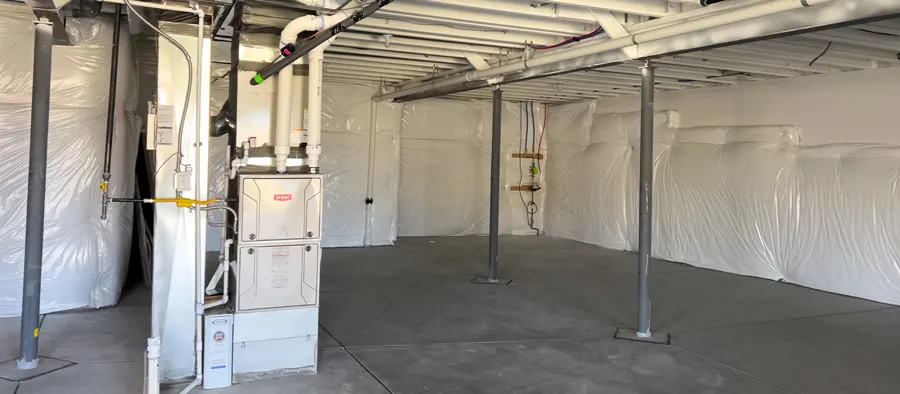
Water and mechanical systems do not mix well.
Elevating Key Systems
Move these above potential flood levels if possible:
- HVAC units
- Electrical panels
- Water heaters
- Appliances
Even a few feet of elevation can prevent major losses.
Waterproofing Electrical Systems
Use licensed professionals for any electrical work. This is not a DIY category.
Backup Power Solutions
Storms that cause flooding often knock out power.
A backup generator can keep your sump pump running when you need it most.
Smart Technology for Flood Prevention
Technology will not stop water, but it can give you a head start.
Water Leak Detectors
Place sensors near:
- Sump pumps
- Water heaters
- Basements and crawl spaces
They alert you before a small issue becomes a big one.
Smart Sump Pump Monitoring
Some systems notify you if your pump fails or loses power.
This is especially useful if you travel or have a second home.
Automatic Shutoff Valves
These can stop water flow when leaks are detected, limiting damage from plumbing failures.
Emergency Flood Preparedness Plan
Preparation matters. In a real flood, you do not want to be making decisions from scratch.
Build a Basic Emergency Kit
- Flashlights
- Batteries
- First aid supplies
- Important documents in waterproof storage
Plan Your Response
- Know how to shut off utilities
- Have an evacuation plan
- Keep contact numbers accessible
When Flooding Starts
- Avoid standing water, especially near electrical sources
- Move valuables to higher ground if safe
- Do not wait too long to leave if conditions worsen
Post-Flood Recovery and Damage Control
If flooding happens, speed matters. The longer water sits, the more damage it causes to materials, structure, and air quality. Acting quickly can significantly reduce repair costs and prevent mold from taking hold. Taking the next steps post flood is important.
Immediate Steps
- Remove standing water
- Start drying the area as soon as possible
- Document damage for insurance
Cleaning and Sanitizing
Floodwater is often contaminated.
Proper cleaning is essential to prevent health risks.
When to Call a Professional
If the damage is extensive or involves structural issues, bring in professionals early. It can prevent long-term problems that are harder to fix later.
Professional Waterproofing vs DIY
Some things you can handle yourself. Others are better left to experts.
When DIY Makes Sense
- Cleaning gutters
- Extending downspouts
- Sealing small cracks
- Installing basic drainage solutions
When to Hire a Professional
- Persistent basement flooding
- Structural foundation issues
- Full waterproofing systems
- Complex drainage design
If you have tried to fix the same issue more than once, it is time to escalate.
Cost Considerations
Costs vary widely, but think in terms of value over time. A proper fix done once is usually cheaper than repeated temporary fixes.
Flood Insurance and Financial Protection
Many homeowners assume they are covered for flood damage. Often, they are not.
What Flood Insurance Covers
Typically includes:
- Structural damage
- Electrical and plumbing systems
- Major appliances
What It Often Does Not Cover
- Finished basements (in some cases)
- Personal belongings beyond limits
- Temporary housing in certain policies
Tips for Claims
- Document everything
- Take photos before cleanup
- Keep receipts for repairs
Flood Prevention Maintenance Checklist
Regular maintenance plays a bigger role than most homeowners realize..
Seasonal tasks:
- Clean gutters and downspouts
- Check sump pump operation
- Inspect yard drainage
Annual checks:
- Look for foundation cracks
- Test backup systems
- Review grading and landscaping
Watch for warning signs:
- Musty odors
- Water stains
- Efflorescence on walls
- Pooling water near the foundation
These are early signals, not cosmetic issues.
Frequently Asked Questions
How do I stop water from entering my basement?
What is the best waterproofing method?
Is a sump pump enough to prevent flooding?
Final Thoughts: Building a Flood-Resilient Home
Flood prevention is not about making your home invincible. It is about reducing risk to the point where water has a hard time causing real damage.
Start with the basics. Fix how water moves around your home. Add layers of protection where needed. And maintain what you install.
Most flooding problems are predictable once you know where to look. The goal is to notice them before water does.